This article is the 15th entry in the D-Plus🐬 Development Productivity Community Advent Calendar 2025. Day 14's article is... wait, nobody's there???
I had the opportunity to speak at D-Plus in Osaka back in May with a presentation called Task Management for Engineering Managers. Although I've only attended once, it was such a warm and welcoming community that I'd love to participate again when I can balance it with my household and parenting responsibilities.
Introduction
Recently, I attended a training session for middle managers at Monstarlab. During the training, I had the chance to reflect on my people management experience, and I had a shocking realization.
What I thought was people management turned out to be performance management.
In this article, I'd like to share that realization and what I learned from the training.
Monstarlab's Four Management Domains
In the tech industry, when it comes to management, Daichi Hiroki's "Four Ps" framework is well known. It organizes an engineering manager's areas of activity into four categories: People, Project, Product, and Platform (Technology).
At Monstarlab, we define manager roles across four domains—not limited to engineering:
- People Management - Supporting team members' growth
- Performance Management - Managing results and productivity
- Strategy Management - Planning and executing strategy
- Philosophy Management - Instilling organizational culture and values
(As a side note, if only we could rename "Strategy" to something starting with "P," we'd have our own Four Ps... How about Portfolio Management?)
What I Thought Was My People Management
As an engineering manager, I believed I was genuinely engaging with my team members.
- Conducting regular 1-on-1s
- Checking in on project status
- Identifying project challenges and brainstorming solutions together
- Making sure no one feels isolated
I even gave a presentation titled Connecting People and Organizations Through "En" - Value Creation and Unlocking Potential as an EM in Contract Development, discussing team management with a focus on three "Ens": Engagement, Empowerment, and Encouragement. I thought I was doing a decent job at people management—drawing out team members' potential and alleviating their anxieties.
But as I reflected during the training, I realized I wasn't actually engaging with the people themselves—I was engaging with their "work."
By focusing on project status and challenges, I was essentially concentrating on improving productivity and performance. In other words, I was doing performance management.
What I Learned About True People Management
People management is about supporting team members' growth. To do this effectively, it's crucial to understand each member's Will (what they want to do), Can (what they can do), and Must (what they need to do).
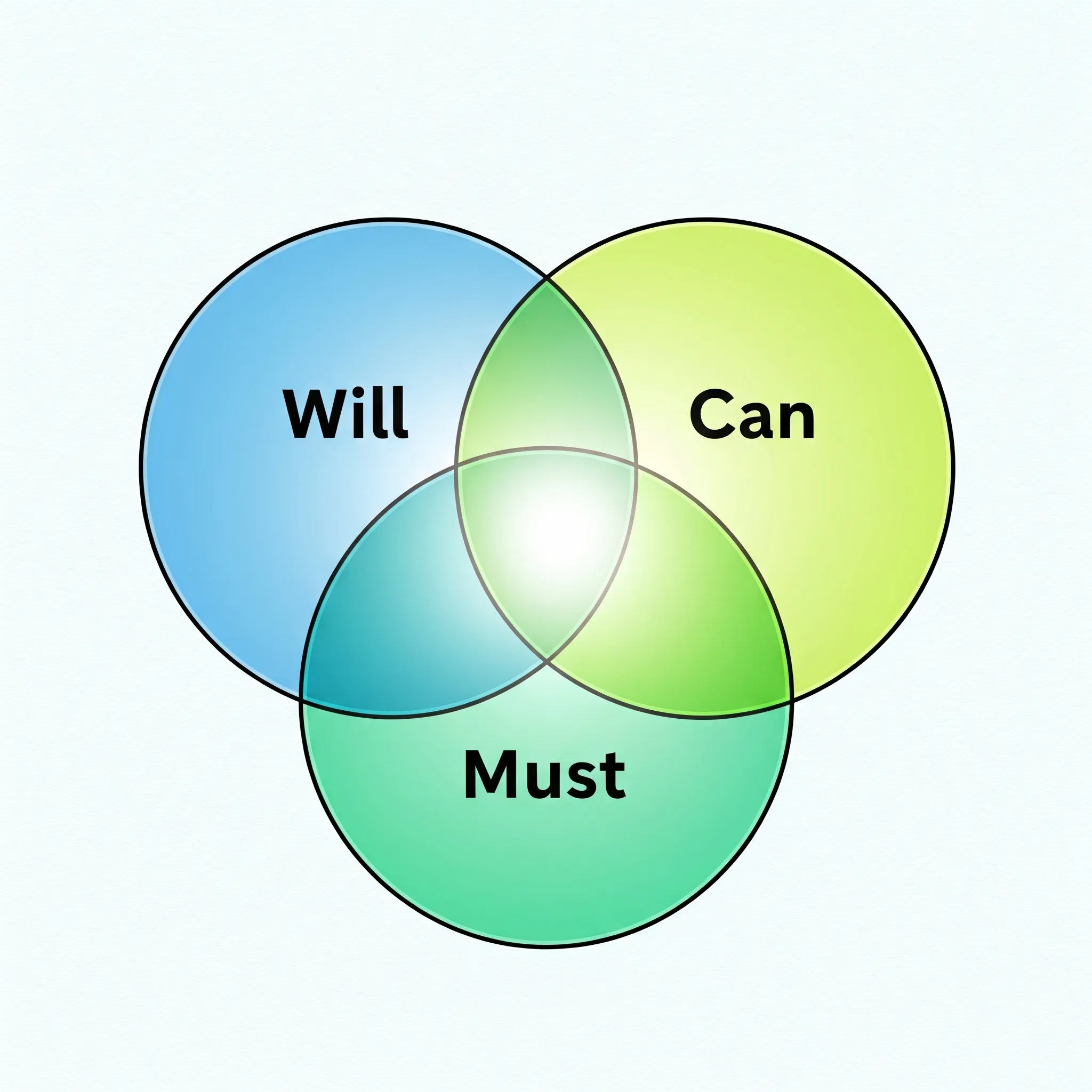
During the training, a manager from another team brilliantly drew out the Will, Can, and Must from someone playing the role of a team member. This person had a strong background in branding design, and it made sense—branding is all about extracting and organizing strengths and weaknesses. I found it fascinating that such skills translate so well to people management.
I learned that by truly engaging with team members and helping them articulate their Will, Can, and Must, we can effectively support their growth. At the same time, I also realized that I'm not particularly good at delving into people's inner thoughts and feelings.
After the training, I found myself buying books on branding design.
I'm hoping to pick up some insights that will help me level up my people management skills—from "not good at it and not doing it" to "not good at it but can manage reasonably well."
Summary
So that's the story of how I thought I was focusing on people management as a manager, when I was actually focusing on productivity ≈ performance.
Of course, performance management is important work too. But realizing that I was missing the perspective of supporting team members' growth was a significant takeaway.
During the training, another manager shared their experience about how even if you're not a perfect manager yourself, it's okay to leverage other managers' strengths to bring out the best in your team members. This was incredibly encouraging, especially since I had just become aware of my own people management challenges.
Going forward, I want to focus more on each team member's Will, Can, and Must during 1-on-1s and practice true people management.
Finally
Even though I'm still very much a work-in-progress as an EM, Monstarlab is looking for people who want to grow together with us.
In particular, we're working on launching a new team initiative like this:
A New Form of Engineer for the AI Era - What Full-Cycle Engineers Mean at Monstarlab
With the spirit of "Turn Vision into Reality," we're looking for people who want to become full-cycle engineers together. If you're interested, please apply!
Author
Kiyotaka Kunihira
バックエンド/テックリード/スクラムマスター/エンジニアリングマネージャー
You may also like
Serverpod for a Weekend - The Good, The Bad, and The Surprising
I've been building Flutter apps professionally for years now, and I've seen the backend landscape evolve from Firebase to Supabase to custom Node.js APIs. Each solution came with trade-offs: Firebase locked you in, Supabase was great until you needed cust...

Building Backend as a Frontend Developer: Experience with Payload CMS
When I was tasked with implementing a headless CMS to primarily serve a mobile application at scale, I found myself stepping into unfamiliar territory. As a frontend developer, backend development once felt like a daunting mix of database design, API impl...